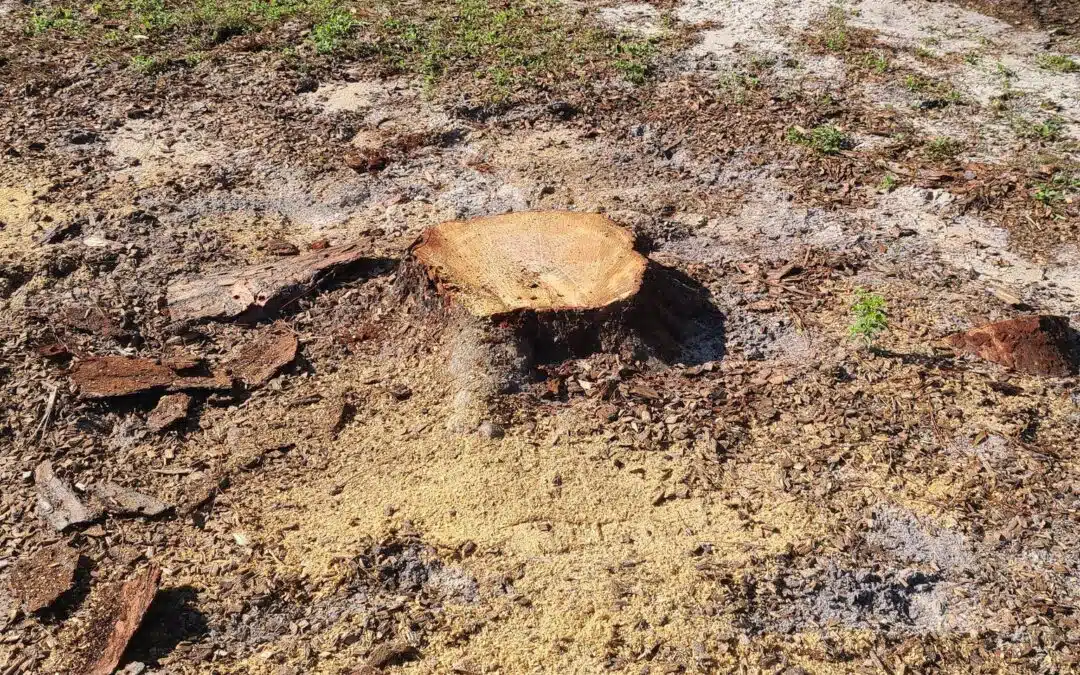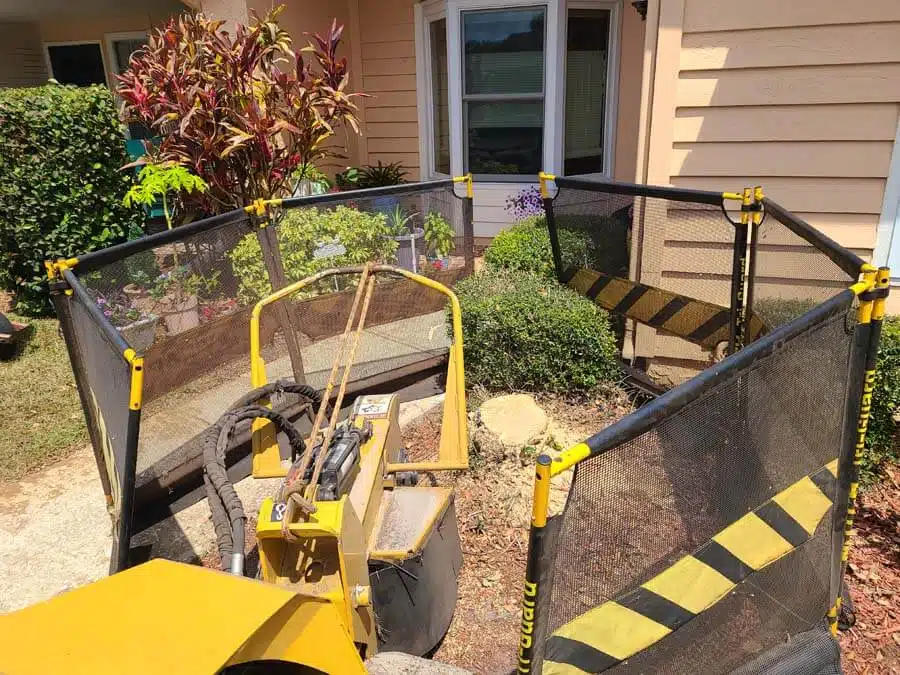
If you’re dealing with stubborn tree stumps in Odessa, FL, knowing the right approach can make all the difference. From picking equipment suited for local soil to handling the mess left behind, stump grinding requires a bit more than just power tools. Getting it right not only clears your land but also prevents future issues. Before you start, consider these essential techniques that can save you time and effort.
Assessing the Stump Size and Type
Before you begin stump grinding, you need to assess the stump’s size and type carefully. Start by measuring the diameter of the stump at ground level. This helps you determine the grinding depth and the equipment needed.
Next, identify the tree species, as hardwoods like oak are denser and require more effort than softwoods like pine. Look for signs of decay or rot, which can affect grinding ease and safety.
Also, check the stump’s location—whether it’s near structures, utilities, or landscaping features—to plan your approach. Knowing the stump’s characteristics upfront guarantees you select the right technique and avoid unnecessary complications.
Taking these steps saves time, effort, and preserves your property during the grinding process.
Choosing the Right Stump Grinder for Odessa Soil
Since soil conditions in Odessa can vary, choosing the right stump grinder means considering more than just the stump size and type.
You’ll want a grinder powerful enough to handle the local soil’s sandy and sometimes clay-heavy mix. A machine with adjustable depth control helps you manage different soil densities without overworking the grinder.
Compact grinders work well in tighter spaces or softer soil, while larger, heavier models offer better stability on firm ground.
Also, look for grinders with durable cutting teeth designed for tougher soil to prevent frequent replacements.
Preparing the Area for Safe Grinding
When you prepare the area for safe grinding, you reduce the risk of accidents and equipment damage. Start by clearing the site of any rocks, branches, or debris that could interfere with your grinder’s operation.
Mark the stump’s edges clearly so you’ll stay focused during grinding. Check the ground around the stump for uneven spots or hidden obstacles that could cause you to lose balance or control.
Make certain pets and bystanders are well clear of the work zone to avoid distractions and injuries. Inspect your equipment beforehand, confirming all safety guards and controls are functioning properly.
Finally, wear appropriate personal protective equipment like gloves, safety glasses, and sturdy footwear. Taking these precautions guarantees a smoother, safer grinding process every time you tackle stumps in Odessa.
Using a Manual Stump Grinder Effectively
After you’ve prepared the area and confirmed your safety gear is on, it’s time to focus on using the manual stump grinder itself.
Start by positioning the grinder securely on the stump’s center. Hold the handles firmly and engage the rotating blade, applying steady pressure. Move the grinder slowly across the stump’s surface in a circular motion, gradually grinding down the wood.
Avoid forcing the machine; let the blade do the work to prevent damage and maintain control. Periodically clear away wood chips to keep your view clear and prevent clogging.
Work consistently until the stump is ground below the soil line. Once finished, turn off the grinder and inspect the area for any remaining large wood pieces.
Proper technique reduces effort and guarantees a smooth, safe job.
Employing a Hydraulic Stump Grinder for Large Stumps
Although large stumps can be tough to remove, employing a hydraulic stump grinder makes the job much more manageable. You’ll appreciate the power and precision this equipment offers, especially when dealing with thick, stubborn roots.
Before starting, verify you’ve cleared debris around the stump for safe operation. Position the grinder so the cutting wheel contacts the stump at an ideal angle. Operate controls smoothly to maintain steady grinding without forcing the machine.
You’ll find the hydraulic system allows for better control and deeper grinding compared to manual tools. Remember to wear protective gear and keep bystanders at a safe distance.
With practice, this technique helps you efficiently reduce large stumps, saving time and effort on your Odessa property.
Grinding Stumps Below Ground Level
Using a hydraulic stump grinder to tackle large stumps sets you up well for grinding stumps below ground level.
Once you’ve removed the visible stump, lower the grinder’s cutting wheel to about 6 to 12 inches below the soil surface. This guarantees the stump won’t regrow and leaves your yard level.
Move the grinder in a circular motion around the stump’s center, gradually deepening the cut. Keep an eye on the machine’s power and adjust the feed rate to avoid overloading.
Make sure to wear protective gear and clear the area of bystanders.
Handling Roots and Debris Post-Grinding
Once the stump is ground below ground level, you’ll need to manage the remaining roots and debris to fully clear the area.
Start by raking up the wood chips and sawdust left behind from grinding. These materials can create uneven ground and attract pests if left unattended.
Next, inspect the surrounding soil for any larger roots that weren’t fully ground. You can cut or remove these with pruning tools or a root saw to prevent future growth or obstruction.
Finally, level the soil with a shovel or rake to prepare the site for planting or landscaping.
Handling roots and debris promptly guarantees a clean, safe space and avoids complications later on.
Incorporating Mulch From Ground Stumps Into Landscaping
After clearing away roots and debris, you can put the leftover wood chips from stump grinding to good use in your landscaping.
Spread the mulch around garden beds and trees to retain moisture, suppress weeds, and regulate soil temperature. You’ll find that this natural mulch enriches your soil as it breaks down, adding valuable nutrients.
Just be sure to layer it evenly, about 2 to 3 inches thick, and keep it a few inches away from plant stems to prevent rot.
Using mulch from ground stumps is an eco-friendly way to recycle organic material while enhancing your garden’s health and appearance.
Scheduling Stump Grinding Around Seasonal Weather in Odessa
Although stump grinding can be done year-round in Odessa, planning it around the seasonal weather will help you get the finest results.
You’ll want to avoid grinding during the wettest months, typically in summer, when heavy rain can make the ground muddy and unstable. This can slow down equipment and create safety hazards.
Instead, aim for late fall or early spring when the soil is drier and more compact, making the grinding process smoother and more efficient. Cooler temperatures during these seasons also help reduce dust and debris spread.
Hiring Professional Stump Grinding Services in Odessa
When you decide to remove a stubborn stump from your yard, hiring professional stump grinding services in Odessa can save you time and effort.
Experts bring the right equipment and experience to handle tough stumps efficiently and safely. Instead of struggling with rental tools or risking injury, you get a quick, clean result.
Professionals also know how to protect your lawn and landscape during the process, minimizing damage. Plus, they dispose of the debris properly, leaving your yard ready for new projects.
When choosing a service, look for local companies with positive reviews and proper licensing. This guarantees reliable work and peace of mind.
Hiring pros means you can focus on enjoying your yard without the hassle of stump removal.
Frequently Asked Questions
How Long Does Stump Grinding Usually Take in Odessa?
Stump grinding usually takes about 30 minutes to a couple of hours, depending on the stump’s size and root complexity.
If you’ve got a small or medium-sized stump, it’ll be quicker. Larger, older stumps with deep roots can take longer.
You’ll also want to factor in cleanup time. If you hire a pro, they’ll likely finish faster thanks to specialized equipment, making the whole process smoother for you.
Is Stump Grinding Noisy or Disruptive to Neighbors?
Yes, stump grinding is noisy and can be disruptive to your neighbors because it involves heavy machinery that produces loud grinding sounds.
However, the noise usually lasts only a short time, often a couple of hours depending on the stump size.
To minimize disruption, you can schedule the work during daytime hours when neighbors are less likely to be bothered, and let them know in advance so everyone’s prepared for the temporary noise.
Can Stump Grinding Prevent Future Tree Growth?
Yes, stump grinding can prevent future tree growth by removing the stump and most of the roots, stopping the tree from sprouting new shoots.
When you grind the stump down below ground level, it discourages regrowth and makes it easier to plant something new in that spot.
Just remember, some tree species might still send up shoots, so you may need to monitor the area and remove any new growth promptly.
What Safety Gear Is Recommended During Stump Grinding?
You should always wear safety goggles to protect your eyes from flying debris during stump grinding.
Heavy-duty gloves will shield your hands, while ear protection helps reduce noise exposure.
Don’t forget sturdy boots with good traction to keep your footing secure.
A dust mask is essential to avoid inhaling dust and wood particles.
Wearing long sleeves and pants provides extra protection from splinters and sharp objects.
Staying properly equipped keeps you safe throughout the job.
Are There Eco-Friendly Stump Grinding Alternatives Available?
Yes, you can choose eco-friendly stump grinding alternatives. Instead of mechanical grinding, you might try natural decomposition by drilling holes in the stump and applying a compost mixture or nitrogen-rich fertilizer to speed decay.
Another option is using stump removal fungi that break down wood over time. These methods take longer but avoid heavy machinery, reducing environmental impact.
You’ll get a greener solution if you’re patient and want to protect the soil and surrounding plants.
Conclusion
By following these stump grinding techniques, you’ll tackle stumps in Odessa efficiently and safely. Assess the stump, choose the right grinder for local soil, and prepare your site well. Use the right motions during grinding, manage debris properly, and don’t forget to repurpose leftover wood chips as mulch. Whether you DIY or hire a pro, these tips help you maintain a clean, healthy yard all year round. You’ve got this!