When a tree poses an immediate threat in Odessa, FL, you need to act quickly—but also smartly. Emergency tree removal isn’t just about cutting down a tree; it requires careful assessment, the right tools, and professional expertise to keep everyone safe. Before you rush into action, there are vital steps you should consider to avoid further damage or injury. Understanding these key tips can make all the difference when time is of the essence.
Assessing the Urgency of Tree Removal
Although it’s tempting to delay, you should quickly assess whether a tree needs emergency removal to protect your safety and property.
Look for signs like large cracks, leaning trunks, or broken branches that could fall unexpectedly. If a tree has suffered storm damage or is touching power lines, act immediately.
Consider how close it’s to your home, vehicles, or walkways—any risk to these areas means you shouldn’t wait. You don’t have to be an expert; trust your instincts if something feels off.
Quick decisions can prevent accidents and costly repairs. Remember, emergency removal isn’t just about the tree itself but also about what’s around it.
When in doubt, call a professional to evaluate the urgency and keep everyone safe.
Identifying Hazards Before Starting Work
Before you begin any tree removal, you need to identify potential hazards that could put you or others at risk.
Look for power lines near the tree, as contact could cause serious injury or electrical fires. Check for broken or hanging branches that might fall unexpectedly. Assess the tree’s stability—leaning trees or those with root damage pose extra danger.
Also, consider nearby structures, vehicles, or pedestrians who might be in harm’s way during the removal process. Don’t forget to evaluate the ground conditions; slippery or uneven terrain can increase the chance of accidents.
Contacting Licensed Tree Removal Professionals
Once you’ve identified the hazards around a tree, reaching out to licensed tree removal professionals is the safest next step.
These experts have the training, equipment, and experience to handle dangerous situations without putting you or your property at risk. When you contact them, provide clear details about the tree’s condition and location so they can prepare accordingly.
Don’t hesitate to ask about their certification, insurance, and emergency response capabilities to guarantee you’re hiring a reliable team.
Preparing the Area for Safe Removal
To guarantee a smooth and safe tree removal, you need to clear the area around the tree carefully.
Start by removing any furniture, vehicles, or outdoor equipment nearby to prevent damage. Next, trim back shrubs or low-hanging branches that might obstruct movement or visibility.
Mark off the work zone with cones or tape to keep bystanders at a safe distance. Check for power lines or underground utilities close to the tree and notify the appropriate utility companies if needed.
Clear pathways for equipment and emergency personnel to access the site easily. Ensuring a clutter-free, well-defined space helps professionals work efficiently and reduces risks during the removal process.
Taking these steps before the crew arrives sets the stage for a safer, faster emergency tree removal.
Using Proper Safety Gear and Equipment
Safety gear and the right equipment make all the difference when removing a tree in an emergency. You should always wear a hard hat, safety goggles, gloves, and steel-toed boots to protect yourself from falling debris and sharp tools.
Hearing protection is also essential when operating loud machinery like chainsaws. Make sure your chainsaw is well-maintained, with a sharp chain and enough fuel.
Use ropes and harnesses if you need to climb, ensuring they’re rated for your weight and in good condition. Don’t forget a first aid kit nearby in case of accidents.
Using the proper equipment not only keeps you safe but also helps you work more efficiently under pressure. Never cut without checking your gear first—it’s your best defense.
Understanding Local Regulations and Permits
Before you start any emergency tree removal, you need to know the local regulations and permits that apply in your area.
These rules are in place to protect the environment and guarantee safety. Contact your city or county office to find out if you need a permit before removing a tree, especially if it’s large or protected. Ignoring these regulations can lead to fines or delays.
Some areas have specific guidelines about which trees you can remove and when. Getting the proper permits also shows you’re following legal procedures, which is vital if you hire professionals.
Be certain to check for any homeowner association rules as well. Understanding these requirements upfront saves you time and prevents legal trouble during your emergency tree removal.
Techniques for Efficient Emergency Tree Removal
Mastering efficient emergency tree removal means acting swiftly and methodically to minimize damage and risk.
First, assess the tree’s condition and surrounding hazards before you start. Use proper safety gear, like helmets and gloves, to protect yourself.
When cutting, begin by removing smaller branches to reduce weight and improve stability. Then, make strategic cuts on the main trunk, employing techniques such as the notch and back cut to control the tree’s fall direction.
Always have an escape route planned in case the tree falls unpredictably. If the tree is near structures or power lines, consider using rigging equipment to lower limbs safely.
Importance of Stump Grinding After Tree Removal
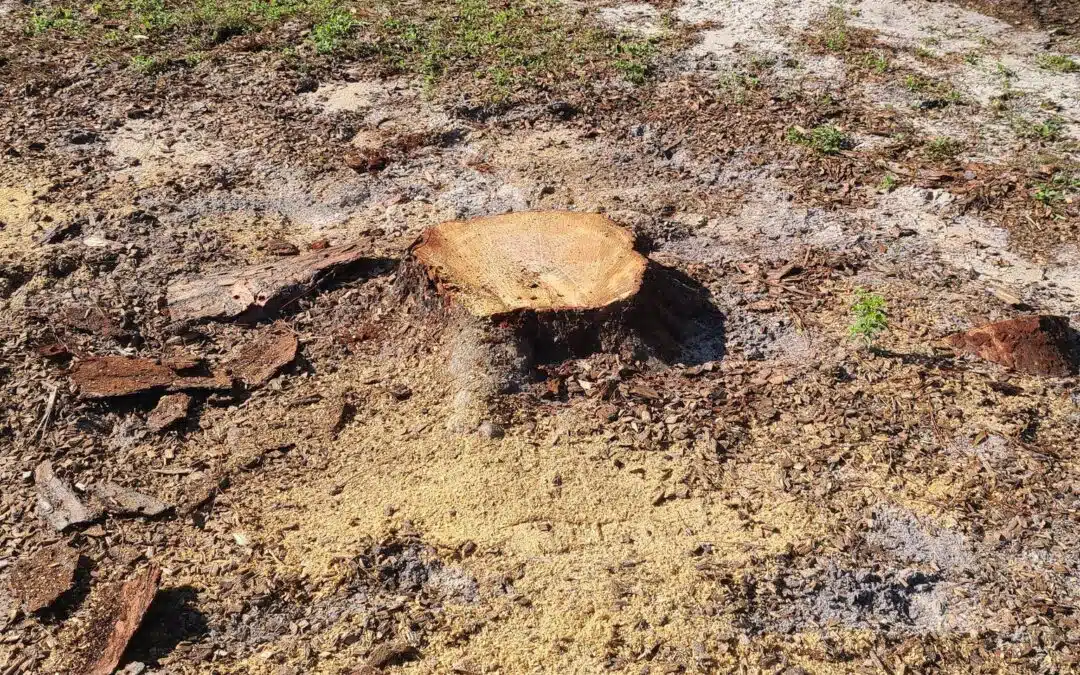
Although removing a tree solves many immediate problems, leaving the stump behind can create new issues that affect your yard’s appearance and safety.
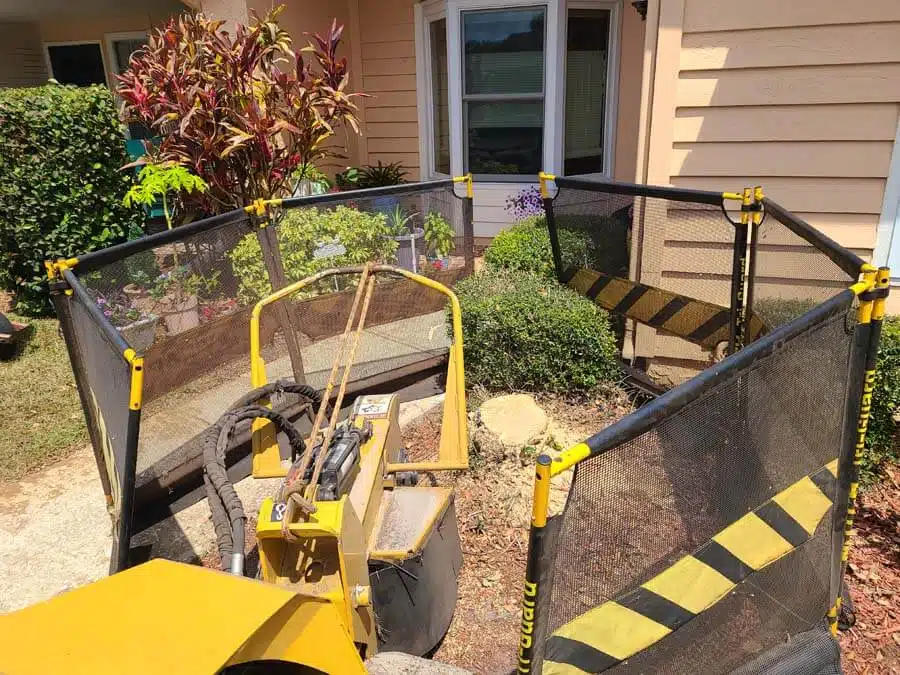
Stump grinding removes the unsightly remains, helping your landscape look clean and well-maintained. It also eliminates tripping hazards, reducing the risk of injury for you, your family, and visitors.
Additionally, leftover stumps can attract pests like termites and ants, which might spread to other plants or even your home. By grinding down the stump, you prevent these infestations and avoid future damage.
Plus, once the stump is gone, you’ll have more space to plant new trees, install landscaping features, or simply enjoy an open, hazard-free yard.
Prioritizing stump grinding after tree removal guarantees your property stays safe and visually appealing.
Environmental Considerations During Tree Removal
Removing a stump not only improves your yard’s safety and appearance but also opens the door to contemplate how tree removal impacts the environment.
When you decide to remove a tree, think about its role in local ecosystems—trees provide habitats, reduce erosion, and improve air quality. Avoid removing healthy trees unless absolutely necessary, and consider consulting with certified arborists who prioritize eco-friendly practices.
If a tree must be cut, try to recycle the wood as mulch or firewood to minimize waste. Additionally, protect nearby plants and soil from damage during the removal process to preserve biodiversity.
Scheduling Regular Tree Maintenance to Prevent Emergencies
To prevent unexpected tree emergencies, you should schedule regular maintenance that keeps your trees healthy and stable.
Regular inspections help identify weak branches, disease, or pest infestations early, letting you address problems before they escalate. Pruning removes dead or overgrown limbs that could fall during storms, reducing risk to your property and safety.
You also want to guarantee your trees have adequate nutrients and water, which strengthens their resilience. By partnering with a professional arborist in Odessa FL, you get expert advice tailored to your specific tree types and local conditions.
Don’t wait for a crisis—make maintenance a routine part of your property care. This proactive approach saves you time, money, and stress while protecting your landscape year-round.
Frequently Asked Questions
How Much Does Emergency Tree Removal Typically Cost in Odessa FL?
You can expect emergency tree removal in Odessa, FL, to typically cost between $500 and $1,500, depending on the tree’s size, location, and complexity.
If the tree is large or poses extra hazards, the price might be higher.
You’ll want to get a few quotes and verify the company is licensed and insured.
Acting quickly helps avoid further damage and can sometimes keep costs down.
Can Insurance Cover Emergency Tree Removal Expenses?
Yes, your insurance can cover emergency tree removal expenses, especially if the tree damage resulted from a storm, fire, or other covered peril.
You’ll want to check your homeowner’s policy to see if it includes debris removal or emergency services.
Make certain you document the damage thoroughly and contact your insurance company promptly to start the claim process.
Keep receipts from the removal service to guarantee reimbursement goes smoothly.
What Time of Day Is Best for Emergency Tree Removal?
The best time for emergency tree removal is during daylight hours when visibility is clear, usually between early morning and late afternoon.
You’ll want to avoid working in the dark or during bad weather, as this increases risks for you and the crew.
Daylight not only guarantees safety but also helps professionals assess the situation accurately and work efficiently, preventing further damage or injury.
How Long Does Emergency Tree Removal Usually Take?
Emergency tree removal usually takes between one to several hours, depending on the tree’s size, location, and damage severity.
You’ll find that smaller trees or those in easy-to-access spots get removed faster, while larger or hazardous trees require more time for safe removal.
The professionals will work quickly but carefully to avoid further damage.
Always expect some variability, but they’ll keep you informed throughout the process.
Are There Specific Tree Species That Require Special Removal Methods?
Yes, certain tree species need special removal methods because of their size, root structure, or wood type.
For example, oak trees have dense wood that’s tougher to cut, while pine trees can be more brittle and prone to breaking unexpectedly.
If you’re dealing with species like eucalyptus or palm trees, professionals use specific techniques to handle their unique growth patterns safely.
Always consult experts to guarantee safe and effective removal.
Conclusion
When you face an emergency tree removal in Odessa, FL, prioritize safety by evaluating hazards and contacting licensed professionals. Clear the area, use proper gear, and keep pathways open for equipment. Don’t forget to take into account the environment and notify utility companies if power lines are nearby. Regular maintenance can help prevent emergencies, but when they do happen, following these tips guarantees a safer, more efficient removal process every time. Stay prepared and stay safe.