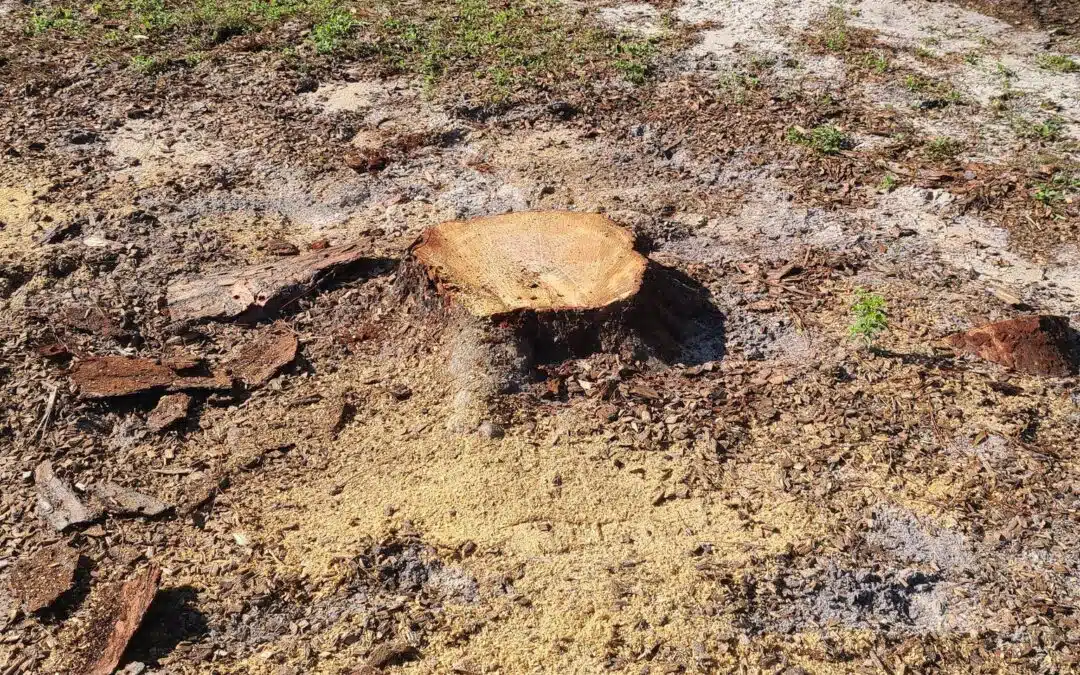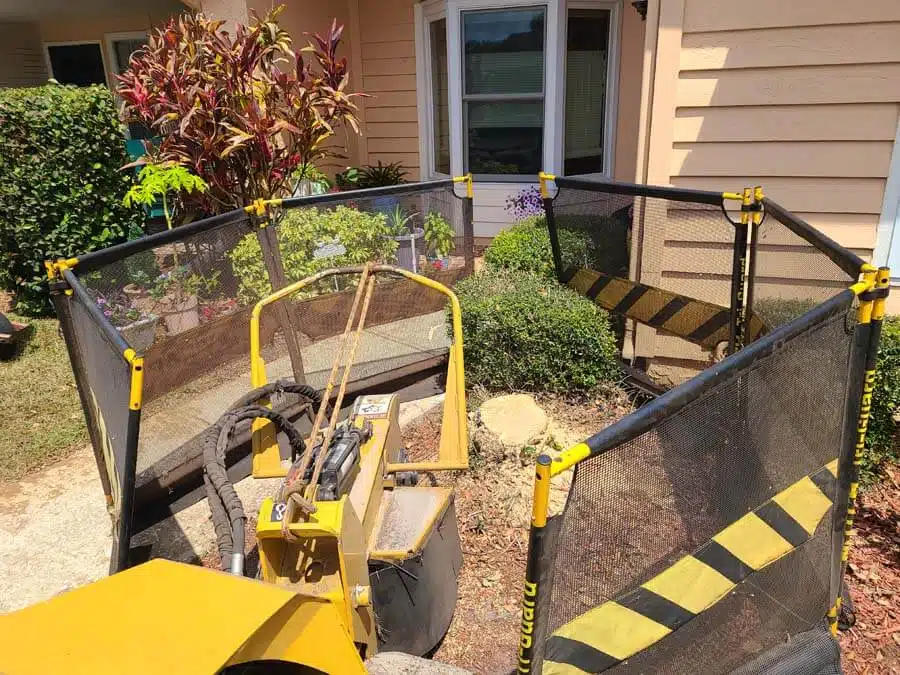
When you think about removing a tree stump, you might picture noisy machines and piles of waste. But what if you could handle it in a way that benefits your garden and the environment? There are several unexpected methods to green your stump removal, from encouraging natural decay to repurposing the wood in creative ways. If you want a solution that’s both effective and sustainable, keep exploring these smart alternatives.
Utilize Natural Decomposition Techniques for Stump Removal
Although removing a tree stump can seem challenging, you can speed up its natural decomposition by using simple, eco-friendly methods.
First, drill holes into the stump to allow air and moisture to penetrate, which encourages fungal growth that breaks down the wood.
Then, apply a natural accelerator like compost, manure, or nitrogen-rich substances to feed the microbes responsible for decay.
Keep the stump moist by watering it regularly, as fungi thrive in damp conditions.
Covering the stump with mulch or a tarp helps retain moisture and warmth, promoting faster decomposition.
Avoid using harsh chemicals that harm the environment.
Repurpose Stump Wood Into Eco-Friendly Garden Features
Once the natural decomposition process has softened your tree stump, you can transform the remaining wood into useful, eco-friendly garden features.
Consider cutting the stump into small sections to create rustic garden stools or stepping stones. You can also carve or sand the wood to make decorative plant stands, giving your garden a unique, natural charm.
Another idea is to hollow out parts of the stump to turn them into planters for succulents or herbs. This not only recycles the wood but adds functionality and beauty to your outdoor space.
Apply Organic Mulch From Ground Stump Material
When you grind down your tree stump, you create a valuable source of organic mulch that can enrich your garden soil. Instead of discarding the wood chips, spread them around your plants to improve moisture retention and suppress weeds.
This mulch slowly decomposes, adding nutrients back into the earth and boosting soil health. Be sure to apply a layer about 2 to 3 inches thick, keeping it a few inches away from plant stems to prevent rot.
Using ground stump material as mulch is a smart way to recycle natural resources right in your backyard. Not only does this reduce waste, but it also supports a sustainable gardening practice that benefits your plants and the environment alike.
Employ Manual or Low-Emission Stump Grinding Tools
Reusing your ground stump material as mulch is a great start, but how you remove the stump in the first place makes a big difference for the environment.
Instead of relying on gas-powered grinders, you can opt for manual or low-emission stump grinding tools. Manual tools like bow saws, mattocks, or hand-held grinders let you work without creating pollution or noise.
If you need a powered option, look for electric or battery-operated stump grinders—they produce less emissions and run quieter than traditional gas models.
Choosing these tools reduces your carbon footprint and minimizes harm to local wildlife and air quality.
Incorporate Native Plantings to Restore Stump Removal Sites
Although removing a tree stump clears space, you can enhance the area’s health by planting native species afterward.
Native plants are adapted to your local soil, climate, and wildlife, making them easier to maintain and beneficial for local ecosystems. By incorporating native shrubs, flowers, or grasses, you help restore biodiversity and provide habitat for pollinators and birds.
Choose plants that thrive in your region to guarantee they establish quickly and outcompete invasive species. Additionally, native plantings improve soil stability and nutrient cycling, which supports long-term site recovery.
When you plan your stump removal, think ahead about which native species will best suit the site’s sunlight, moisture, and soil conditions. This thoughtful approach turns a cleared stump area into a vibrant, sustainable landscape.
Frequently Asked Questions
Can Tree Stumps Attract Pests or Wildlife to My Yard?
Yes, tree stumps can definitely attract pests or wildlife to your yard.
Decaying wood provides an ideal habitat for insects like termites, ants, and beetles. It can also draw small animals such as squirrels, raccoons, or even snakes looking for shelter.
If you want to avoid unwanted visitors, it’s a good idea to remove or properly treat the stump to minimize these risks and keep your yard pest-free.
How Long Does Natural Stump Decomposition Typically Take?
Natural stump decomposition usually takes anywhere from 3 to 10 years, depending on the tree species, size, and local climate.
You’ll notice softer wood and shrinking over time as fungi, bacteria, and insects break it down.
If you want to speed up the process, you can drill holes or apply nitrogen-rich fertilizer to encourage microbial activity.
Otherwise, patience is key while nature does its work quietly in your yard.
Are There Any Chemical-Free Methods to Speed up Stump Decay?
Yes, you can speed up stump decay without chemicals!
You’ll want to drill holes into the stump and fill them with natural materials like compost or nitrogen-rich substances such as manure or coffee grounds.
Keeping the stump moist and covered with a tarp helps maintain the right environment for fungi and bacteria to break it down faster.
Regularly turning the soil around it boosts decomposition too, making the process quicker and eco-friendly.
What Safety Precautions Are Needed When Manually Removing Stumps?
When manually removing stumps, you should always wear sturdy gloves, long sleeves, and eye protection to guard against splinters and debris.
Use steel-toed boots to protect your feet and guarantee your tools are sharp and in good condition to prevent accidents.
Keep your work area clear of obstacles and have a first aid kit nearby.
Take breaks to avoid fatigue, and never work alone in case you need assistance quickly.
Can Stump Wood Be Used for Indoor Eco-Friendly Crafts?
Yes, you can definitely use stump wood for indoor eco-friendly crafts. It’s a fantastic way to recycle natural materials and reduce waste.
You can carve, sand, and seal the wood to create coasters, candle holders, or rustic decor. Just make sure the wood is dry and free from pests before starting.
Using stump wood adds a unique, natural touch to your projects while being sustainable and earth-friendly.
Conclusion
By choosing eco-friendly methods, you can turn tree stump removal into a sustainable practice. Let natural decomposition work for you, or get creative by repurposing stump wood into charming garden features. Using ground stump material as mulch benefits your soil, while manual or low-emission tools reduce pollution. Don’t forget to plant native species afterward—they’ll restore biodiversity and stabilize your soil. With these green tips, you’ll make stump removal better for your garden and the planet.