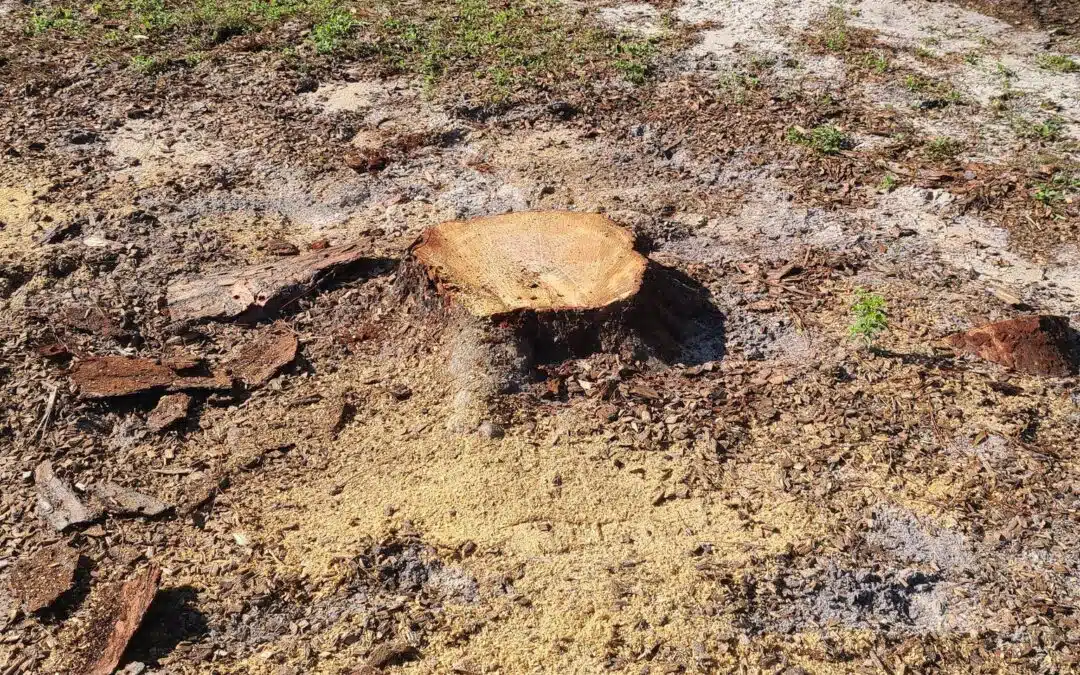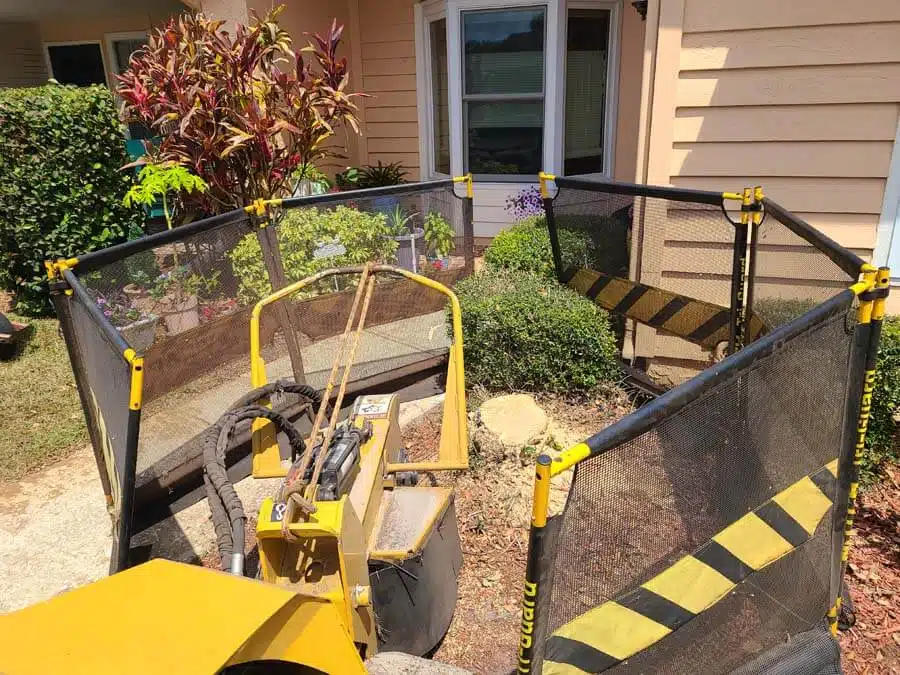
Once the stump grinding is done, you might wonder how to restore your yard without overspending. You’ll want to start by evaluating the site carefully, identifying uneven spots and leftover debris that could affect new plantings. Choosing affordable ground covers and smart mulch options can make a big difference in cost and upkeep. But there are a few strategic moves you can make that stretch your budget while enhancing your landscape’s look and health.
Assessing Your Yard After Stump Grinding
How do you make the most of your yard once stump grinding is complete? First, walk around and inspect the area closely. Check for uneven ground, leftover debris, or soil compaction that might affect new plantings.
You’ll want to level the soil if there are dips or mounds to create a smooth surface. Next, consider the sunlight and drainage patterns in that spot—these factors will guide what you can plant or install.
Don’t forget to test the soil’s health; it might need some nutrients or organic matter before you start landscaping. Taking these steps helps you prepare a solid foundation for your project, ensuring your yard looks great and grows well without unnecessary expenses.
Choosing Cost-Effective Ground Cover Options
Once you’ve prepped your yard after stump grinding, the next step is to select ground cover that fits your budget and landscape needs.
Consider low-maintenance plants like creeping thyme, clover, or sedum, which spread quickly and require minimal watering. These options not only save money but also reduce upkeep time.
Native grasses can also be a smart, affordable choice since they thrive naturally in your area.
If you want greenery without planting, inexpensive options like gravel or crushed stone offer durability and help prevent weed growth.
Remember, selecting ground cover that suits your local climate and soil conditions guarantees long-term savings by minimizing replacement and maintenance costs.
Utilizing Mulch to Enhance Soil and Appearance
Although choosing the right plants is important, utilizing mulch can greatly improve both your soil’s health and your landscape’s appearance.
When you apply mulch around your plants or over bare soil, it helps retain moisture, reducing how often you need to water. Mulch also suppresses weeds, saving you time and effort on maintenance.
Additionally, as organic mulch breaks down, it enriches your soil with nutrients, promoting healthier plant growth. Choose economical options like shredded bark, wood chips, or straw, which you can often source locally.
Spread a 2-3 inch layer evenly, being careful not to pile mulch against plant stems to avoid rot.
Mulching not only boosts your landscape’s look with a neat, finished appearance but also supports a thriving garden without extra cost.
Planting Low-Maintenance Shrubs and Perennials
Since maintaining a beautiful garden can be time-consuming, choosing low-maintenance shrubs and perennials helps you save effort and money.
These plants require less watering, pruning, and fertilizing, which cuts down on ongoing costs and labor. Opt for native species or drought-tolerant varieties—they’re adapted to your local climate and soil conditions, so they thrive with minimal care.
Perennials return year after year, reducing the need to replant annually. Shrubs like boxwood, juniper, and hydrangeas offer structure and greenery without demanding constant attention.
When planting, space them properly to avoid overcrowding and disease. By selecting the right low-maintenance plants, you create a lasting, attractive landscape that stays healthy with less work, letting you enjoy your outdoor space without breaking your budget or exhausting your time.
Creating DIY Garden Beds on a Budget
If you want to save money and add a personal touch to your garden, creating DIY garden beds is a smart move.
Start by selecting an area that gets the right amount of sunlight for your plants. Use a sharp spade or hoe to outline and dig your bed, removing grass and weeds. Loosen the soil to help roots grow.
Next, enrich the soil by mixing in compost or organic matter you can often get for free or cheaply. Choose affordable plants suited to your climate and soil. Arrange them thoughtfully to maximize space and visual appeal.
Mulch the bed with bark chips or straw to retain moisture and reduce weeds.
With some effort and planning, you can build attractive, budget-friendly garden beds that enhance your landscape.
Incorporating Recycled Materials in Landscaping
When you incorporate recycled materials into your landscaping, you reduce waste while adding unique character to your outdoor space.
Start by repurposing old bricks or stones from previous projects to create borders or pathways. You can also use reclaimed wood for garden edging, raised beds, or even benches.
Broken pottery or tiles make colorful mulch or decorative accents. Instead of buying new gravel, check for crushed concrete from local construction sites.
Don’t overlook the potential of old tires painted and turned into planters. These materials cut costs and add a personal touch that mass-produced items can’t replicate.
Just verify any recycled items are safe and cleaned before use. By creatively using what you already have, you’ll build a sustainable, budget-friendly landscape that stands out.
Planning Efficient Irrigation to Save Water and Money
Although landscaping with recycled materials saves money, planning efficient irrigation helps you reduce water bills and conserve resources.
Start by evaluating your garden’s water needs—group plants with similar requirements together to avoid overwatering. Use drip irrigation or soaker hoses; they deliver water directly to roots, minimizing evaporation.
Consider installing a timer or smart controller to water early morning or late evening when evaporation is low. Regularly check for leaks and clogged emitters to keep the system running efficiently.
Mulching around plants also retains soil moisture, cutting down watering frequency. By tailoring your irrigation to your landscape’s specific needs, you’ll save money, conserve water, and promote healthier plants—all without spending a fortune after stump grinding.
Maintaining Your Landscape Without Breaking the Bank
Efficient irrigation sets the foundation for a healthy landscape, but keeping it thriving requires ongoing care that won’t drain your wallet.
Focus on regular pruning to promote growth and prevent disease without spending on costly treatments. Use organic mulch to retain moisture and suppress weeds, reducing water use and maintenance time.
Fertilize with slow-release, natural options to nourish plants steadily and avoid frequent applications. Monitor your landscape for pests and address issues early with affordable, eco-friendly solutions like neem oil or insecticidal soap.
Collect rainwater to supplement irrigation and cut utility bills. Finally, set a maintenance schedule so you stay on top of tasks without overwhelming yourself or your budget.
With consistent, smart care, you can maintain a vibrant landscape economically.
Frequently Asked Questions
How Long Should I Wait to Plant Trees After Stump Grinding?
You should wait at least 3 to 6 months before planting trees where you ground a stump.
This gives the soil time to settle and any leftover roots to decompose, reducing the risk of new trees competing for nutrients. If you plant too soon, your new trees might struggle to establish themselves.
Meanwhile, you can improve the soil with compost or mulch to create a healthier environment for your future trees.
Can Stump Grinding Spread Tree Diseases to New Plants?
No, stump grinding itself doesn’t usually spread tree diseases to new plants if you clean your equipment well.
However, if the stump was infected, some disease spores might remain in the soil.
To be safe, you should remove any diseased wood and sanitize tools before working nearby.
Also, wait a bit before planting to let the area settle. This helps protect your new plants from potential infections.
What Equipment Is Needed for Safe Stump Grinding?
You’ll need a few key pieces of equipment for safe stump grinding: a stump grinder itself, which has a rotating cutting disk; safety goggles to protect your eyes from flying debris; ear protection because the machine is loud; heavy-duty gloves; sturdy boots; and a dust mask to avoid inhaling wood dust.
Also, wear long sleeves and pants to shield your skin. Make sure you read the grinder’s manual before starting to operate it safely.
Is It Better to Grind Stumps Myself or Hire a Professional?
It’s usually better to hire a professional for stump grinding unless you have experience and the right equipment.
Grinding stumps yourself can be risky and time-consuming, especially without proper safety gear and skills.
Professionals work faster, guarantee thorough removal, and handle debris cleanup.
However, if you want to save money and feel confident using a stump grinder, you can do it yourself.
Just weigh the costs, risks, and your abilities before deciding.
How Deep Does Stump Grinding Usually Go Below Ground Level?
Stump grinding usually goes about 4 to 12 inches below ground level.
You’ll want to grind deep enough to remove the main root flare and allow for easy replanting or landscaping. The exact depth depends on the stump size and your landscaping plans.
Grinding deeper helps prevent regrowth and makes the area safer to work on.
Just be sure not to go too deep to avoid underground utilities or damaging the soil structure.
Conclusion
After stump grinding, you can transform your yard without overspending by choosing affordable ground covers, using mulch wisely, and planting low-maintenance shrubs and perennials. Take advantage of recycled materials and create your own garden beds to save even more. Plan your irrigation carefully to cut water costs, and keep up regular maintenance to preserve your landscape’s beauty. With these simple steps, you’ll enjoy a thriving, budget-friendly yard that looks great year-round.