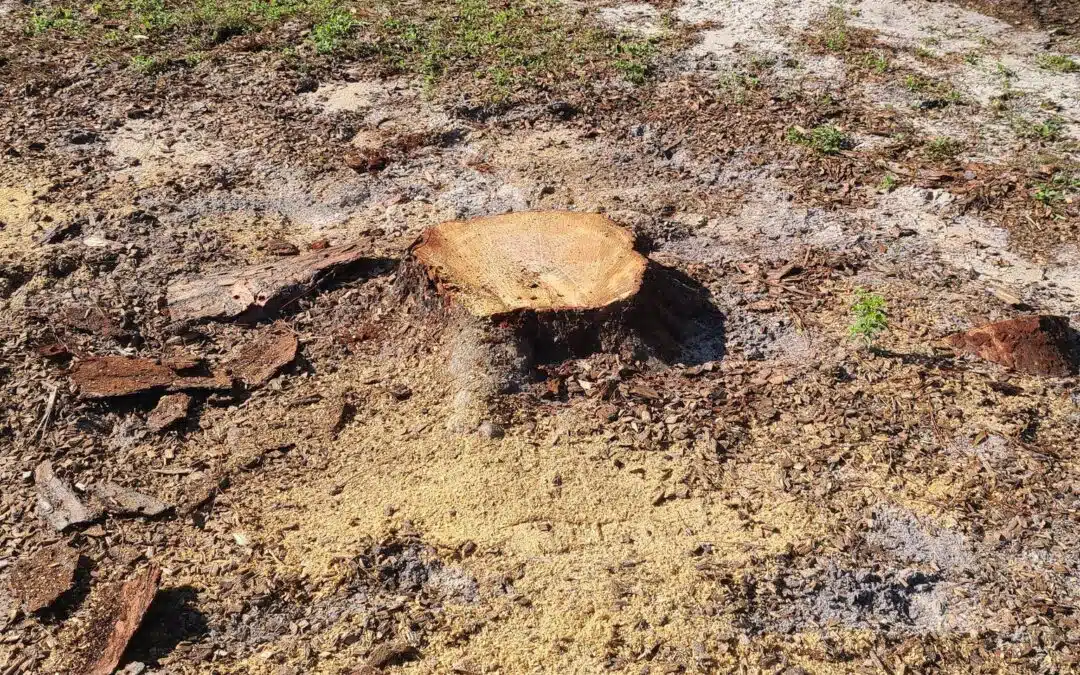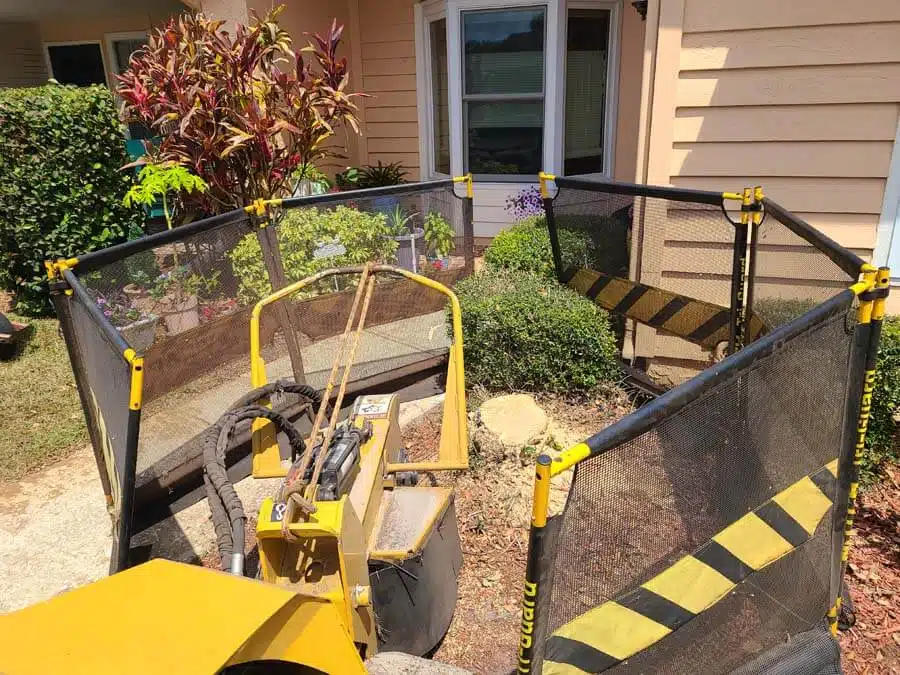
Once you’ve removed that stubborn stump, you might wonder how to transform the space without overspending. You can start by evaluating your soil and terrain to find the best plants and materials that suit your yard’s conditions. Choosing the right low-cost ground covers or repurposing materials can completely change the area’s look and feel. But what specific steps can you take to create an inviting landscape without a hefty price tag?
Assessing Your Yard’s Soil and Terrain After Stump Removal
Before you begin planting or landscaping, you’ll want to assess your yard’s soil and terrain after stump removal.
Check the area where the stump once stood for uneven ground or leftover roots that might affect new plantings. Test your soil’s texture and drainage by digging a small hole and filling it with water—if it drains slowly, you may need to amend the soil to prevent waterlogging.
Look for compacted soil caused by heavy equipment; loosening it will help roots establish better. Also, note any slope or low spots that could impact water flow.
Understanding these factors helps you choose the right plants and prepare the ground properly, ensuring your landscaping project thrives without wasting time or money.
Selecting Low-Cost Ground Cover Plants and Mulch
Once you’ve evaluated your soil and terrain, it’s time to choose ground cover plants and mulch that won’t stretch your budget.
Opt for hardy, low-maintenance ground covers like creeping thyme, clover, or sedum; these thrive in various conditions and require minimal care. Native plants are often more affordable and adapt well to your local environment, reducing the need for extra watering or fertilizers.
When selecting mulch, consider shredded bark or pine needles—both are inexpensive and improve soil moisture retention while suppressing weeds.
Applying mulch around your ground covers not only enhances the appearance but also promotes healthier growth. By combining cost-effective plants with budget-friendly mulch, you create a sustainable, attractive landscape without overspending.
Keep your choices simple, and your yard will bounce back beautifully after stump removal.
Incorporating Decorative Stones and Pebbles for Visual Appeal
Although plants and mulch provide a solid foundation, incorporating decorative stones and pebbles can instantly elevate your landscape’s visual appeal. You can create clean, defined pathways or borders that add structure without breaking the bank.
Choose stones in natural hues that complement your home’s exterior or contrast with your greenery for a striking effect. Pebbles work well around flower beds and garden edges, helping with drainage while reducing weed growth. Plus, they require minimal upkeep compared to organic materials.
To save money, consider sourcing stones from local quarries or even repurposing gravel from other projects. With a bit of planning, decorative stones and pebbles can transform your yard into a polished, inviting space without costly installations or ongoing maintenance.
Creating Raised Garden Beds From Recycled Materials
In addition to using decorative stones and pebbles, you can give your garden a fresh look by creating raised beds from recycled materials. Old pallets, bricks, or even discarded wood can form sturdy frames for your garden beds.
Using these items saves money and reduces waste. Simply arrange the materials to create the desired shape and size, then fill the beds with nutrient-rich soil. Raised beds improve drainage and make gardening easier on your back.
Plus, they help define your planting areas, giving your yard a neat, organized appearance. Before building, verify recycled wood isn’t treated with harmful chemicals.
With a bit of creativity, you’ll transform leftover materials into functional, attractive garden features without breaking the bank.
Designing a Simple Pathway Using Affordable Pavers
When you want to add structure and charm to your yard without spending much, designing a simple pathway with affordable pavers is a smart choice.
Start by measuring the area where you want the path and choose pavers that fit your style and budget—concrete, brick, or stone-look pavers work well.
Lay down a weed barrier and a base of compacted sand or gravel to keep the pavers stable. Arrange them in a straightforward pattern like running bond or a simple grid to save time and effort.
You don’t need special tools; a rubber mallet and level will do. This pathway not only guides foot traffic but also adds a polished look to your landscape without breaking the bank.
Utilizing DIY Garden Features to Enhance Your Landscape
Since you want to add character to your yard without overspending, creating DIY garden features is a perfect way to do it.
Start by repurposing materials like old bricks, wooden pallets, or stones to build raised garden beds or decorative borders. You can craft simple bird feeders or plant markers using inexpensive supplies.
Installing a homemade rain barrel not only saves water but adds a rustic charm. Consider making a small rock garden or a fairy garden to fill empty spaces creatively.
These projects let you customize your landscape while saving money. Plus, they provide a sense of accomplishment and personal touch.
With a bit of effort and creativity, you’ll transform your yard into a welcoming, unique outdoor space without breaking the bank.
Frequently Asked Questions
How Soon Can I Plant Grass After Stump Removal?
You can plant grass about two to three weeks after stump removal. This gives the soil time to settle and any leftover debris to decompose.
Make certain to level the area and add fresh topsoil if needed before planting. If the stump was ground down, you might need to wait a bit longer to avoid uneven spots.
Keep the soil moist and choose grass seed suited for your climate to guarantee healthy growth.
What Tools Do I Need for Stump Removal Cleanup?
You’ll need a sturdy rake to gather sawdust and debris, a shovel to dig out any remaining roots, and a wheelbarrow to haul away waste.
Gloves will protect your hands, and safety goggles are essential if you’re using power tools like a stump grinder.
A garden hose helps wash down the area afterward.
These tools make cleanup easier and prepare your yard for whatever landscaping you plan next.
Can I Use Leftover Stump Wood for Garden Projects?
Yes, you can definitely use leftover stump wood for garden projects!
It’s perfect for creating rustic planters, garden borders, or stepping stones. You can also carve small decorations or make natural mulch by chipping the wood.
Just make sure the wood is properly dried and free of pests.
Repurposing stump wood not only saves money but adds a unique, organic touch to your garden’s look.
How Do I Prevent New Tree Growth From Old Stumps?
To prevent new tree growth from old stumps, you’ll want to apply a stump killer or herbicide right after cutting.
Make sure to follow the product instructions carefully.
You can also physically remove the stump entirely by grinding or digging it out.
Another option is regularly cutting any sprouts that appear to weaken the stump over time.
Staying consistent with these methods will help stop unwanted regrowth effectively.
What Are Eco-Friendly Methods to Remove Stumps?
You can remove stumps eco-friendly by using natural decay methods like drilling holes and applying vinegar or salt to speed decomposition.
Another option is using microorganisms or fungi that break down wood without harming the environment.
You might also consider manual removal with tools or renting a stump grinder to avoid chemicals.
These approaches keep your yard safe and healthy while effectively getting rid of stumps without pollution or harsh chemicals.
Conclusion
After removing that stump, you don’t have to spend a fortune to make your yard look great. Choose low-maintenance ground covers like creeping thyme or clover, add mulch to boost soil health, and use decorative stones for structure. Build raised beds from recycled materials and create simple pathways with affordable pavers. With a little creativity and effort, you can transform your space into a beautiful, budget-friendly landscape you’ll love.